Here's something most brand owners don't like admitting.
Every single one of them wants their products to look expensive. Cinematic lighting, that premium ecommerce polish, the kind of visuals that make a small D2C label look like it belongs next to a company charging four times as much. Nobody argues with that part.
The trouble starts the moment they actually have to pay a product photography studio for it. Suddenly it's a haggling session, like they're picking up sabzi from the local thela.
"Bhai thoda kam nahi hoga?"
"Phone se bhi toh same aa jaata hai."
"Mera bhatija bhi camera chalata hai."
Then a month later, the sales dashboard looks depressing and nobody can figure out why.
That's ecommerce in 2026 for you. People judge your brand within seconds, faster than an aunty judging your salary at a shaadi. Your product photos aren't "extra content" sitting next to the real brand — at this point, they basically are the brand. They quietly decide whether someone trusts you, whether they stop scrolling, whether they click your ad, whether they poke around your website, and whether they actually hit buy.
So choosing the right studio isn't really a creative decision anymore. It's closer to a business decision — arguably a survival one. Bad photos can wreck trust faster than a "premium" shop that only takes cash. And once trust is gone in ecommerce, good luck getting it back.
This piece gets into what separates a genuinely good product photography studio from an average one, the things most brands overlook until it's too late, why the cheapest option often ends up the most expensive, and what a solid ecommerce photography partner can actually do for your numbers.
Why Product Photography Matters More Than Ever in 2026
Shopping online strips away almost every sense except sight. Nobody can touch the fabric, smell the perfume, feel the skincare texture, or check the packaging in hand. Your images have to carry that entire load by themselves — they're the salesperson, the showroom, the marketing team, the trust-builder and the first impression, all rolled into one.
And customers have gotten sharper about this. They're not really buying the product anymore; they're buying how it's presented. Most people can't explain what a lighting ratio is, but they know instantly when something looks cheap. The second that happens, the brain quietly files your brand under "probably not premium" — even if the actual product is genuinely great.
That's the annoying part. You can have excellent ingredients, gorgeous packaging, real craftsmanship and solid customer service, but if the photos look flat or amateur, people will assume the product is flat too. This one factor — how the product looks in photos — ends up shaping customer trust, click-through rates, ad performance, brand perception, conversions, repeat purchases and even how much your posts get shared.
If your product shots are still sitting next to a phone charger and a half-eaten packet of biscuits on a study table, your competitors have quietly already won this round.
What Actually Makes a Studio the "Best" One?
It was never about who quotes the lowest price. It's about who understands branding, storytelling, lighting, ecommerce psychology, and how customers actually behave when they're scrolling — not just how to hold a camera steady.
Anybody can press a shutter button. Very few people can consistently produce premium visuals, real storytelling, a sense of luxury, ecommerce-ready assets and a catalogue that looks consistent from the first product to the fiftieth. That consistency is really the difference between a hobbyist and an actual professional studio — one treats photography as decoration, the other treats it as a business tool.
Check Their Ecommerce Photography Experience First
A wedding photographer isn't automatically good at shooting products, and your cousin with a DSLR and a set of moody Lightroom presets definitely isn't a commercial product photographer either. It's a different skill entirely.
A studio that actually does this for a living understands product positioning, buyer psychology, marketplace-specific rules, image sizing for web and app, framing that's built for conversions, and lighting that stays consistent across hundreds of SKUs — not just one hero shot.
This matters even more if you're selling on Amazon, Shopify, Flipkart, Myntra, Nykaa, or Instagram Shops, since each platform has its own quirks and expectations. A good studio treats every shoot as a strategic exercise, not a mood-based one, because today's shoppers examine product photos almost like they're reviewing CCTV footage — closely, and without much patience for mistakes.
Lighting Is What Separates the Premium Studios From the Rest
Lighting decides almost everything. It's the difference between a product that looks luxurious and trustworthy, and one that looks flat, cheap, or slightly "off" in a way you can't quite explain.
A studio that knows what it's doing understands shadow placement, highlight control, reflection management, texture, depth, mood, transparency, and how to deal with metallic surfaces — none of which is intuitive.
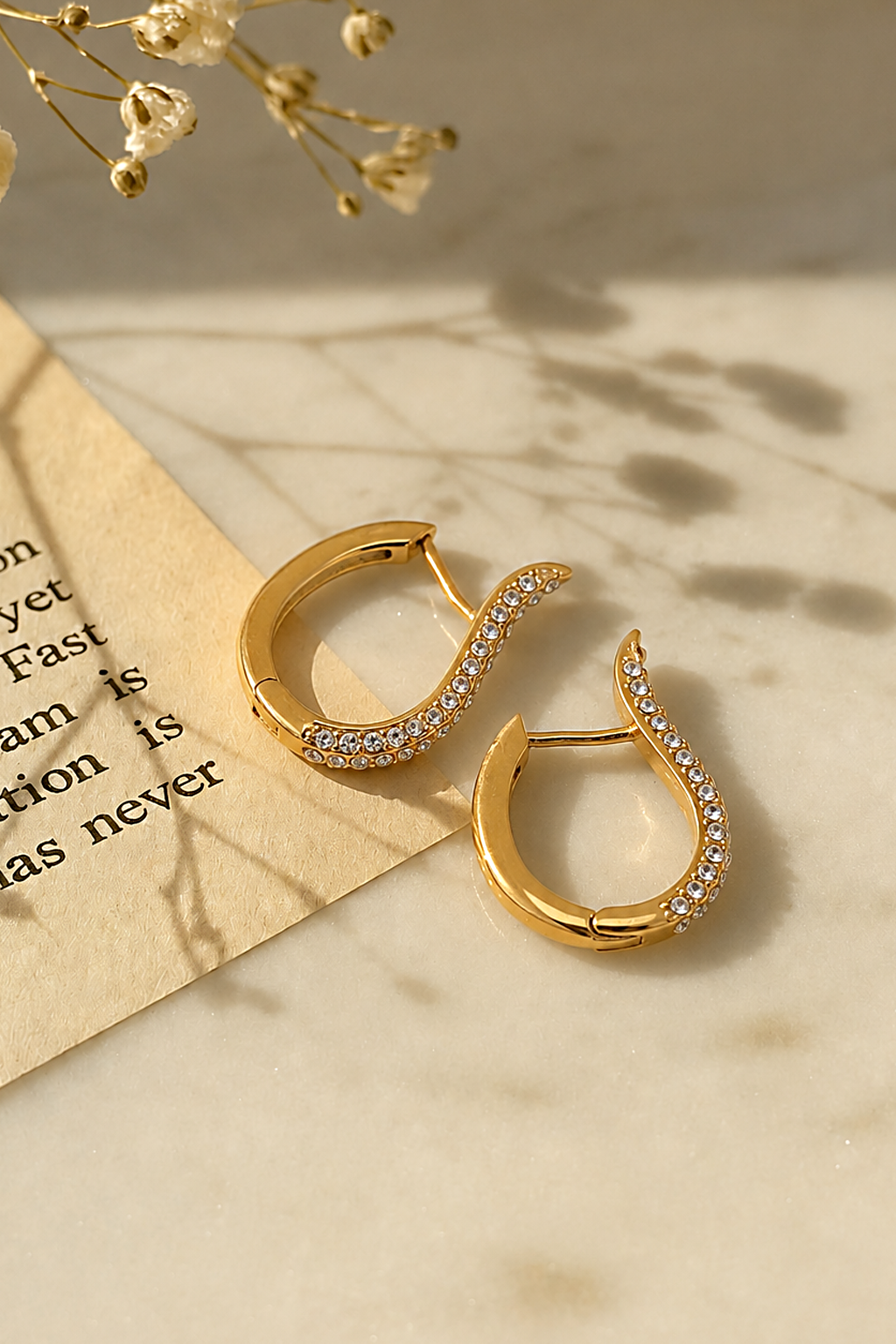
This becomes obvious with jewellery, perfumes, watches, skincare, glass, barware and anything metallic. Reflective surfaces are brutal to shoot; get the angle even slightly wrong and the product starts reflecting the camera, the tripod, the photographer, and basically the entire room. Controlling all of that consistently is exactly why experienced commercial studios charge more than a freelancer with a ring light. It's skill, not luck.
A Good Studio Understands Branding, Not Just Photography
A lot of photographers stop at "technically good pictures." But modern ecommerce brands need more than that — they need a consistent identity, a clear mood, storytelling, and something that actually feels like their brand rather than a generic product shot.
Your visuals should match your audience, your price point, your packaging and your overall brand voice. A luxury label needs a different treatment than a minimalist one, and a Gen-Z skincare brand needs something completely different again. Not every product needs dramatic smoke and floating ice cubes — sometimes a moisturiser just needs to look calm and clean. Recognising when to hold back is just as important as knowing when to go big, and that balance is what separates a good studio from an average one.
The Studio Setup Matters More Than People Assume
Good visuals rarely happen by accident. Proper studios invest in controlled lighting, high-resolution cameras, macro lenses, diffusers, softboxes, decent backdrops, calibrated screens and serious retouching workflows — because premium output needs precision, not luck.
It's really a mix of technical know-how, lighting knowledge, creative direction, editing skill, styling, and composition working together. If a setup looks like it was put together with leftover Diwali lights and an old table lamp, that's probably worth noticing before you commit to a shoot.
Why Ecommerce Product Photography Is Its Own Thing
There's a real difference between "creative photos" and photography built specifically to convert on ecommerce platforms. A proper ecommerce shoot focuses on clean presentation, accurate colours, zoom-friendly detail, and images that make sense the moment someone glances at them — no confusion, no guessing.
That covers catalogue shots, clean-background product images, Amazon-ready visuals, Shopify banners, detail shots, and infographic-style images for listings. At the end of the day, the goal is simple: help someone understand the product instantly, because confusion is what actually kills a sale, not price.
Cheap Photography Usually Turns Out Expensive Later
Here's the part nobody wants to hear. Going with the cheapest photographer almost always costs more eventually — reshoots, redesigns, re-editing, new campaigns, better ads, updated listings. All of that adds up.
Meanwhile, the brand has already lost trust, sales, engagement and ad performance in the gap between the bad photos and the eventual fix. That "budget-friendly" photographer turns out to be the expensive choice in hindsight. This is why it's worth actually understanding product photography costs in India, typical commercial photography rates, and realistic shoot pricing before picking someone purely because they're cheap. Good photography is an investment. Bad photography is a bill that shows up later.
Editing and Retouching Matter More Than Brands Realise
A RAW image straight out of the camera is unfinished — that's normal, not a flaw. Proper editing is what turns it into something brand-ready: cleaning up dust and scratches, correcting colour, balancing shadows, enhancing texture, fixing reflections, tidying labels, refining backgrounds, and adding that final polish.
Customers notice the small stuff even when they can't articulate it — a slightly odd reflection, an uneven shadow, a colour that feels a bit off. None of it screams for attention on its own, but together it quietly affects whether someone trusts the brand or not.
Why Brands in Delhi Prefer a Professional Studio Setup
More ecommerce brands are choosing a proper product photography studio in Delhi over ad-hoc setups, mainly because studios offer a controlled environment, consistent lighting, faster turnaround and editing that actually scales as the catalogue grows.
This is especially true for Amazon sellers, D2C labels, Shopify stores, Instagram-first brands, fashion startups, skincare companies and barware brands — basically anyone shooting more than a handful of products at a time. A decent studio can handle Fashion photography, catalogue shoots, advertising visuals, lifestyle content, and Instagram-ready product shots without the quality dropping off after the first ten SKUs.
Shooting products next to an office desk and a random curtain might save a bit of money today, but it rarely holds up once the brand actually starts scaling.
Lifestyle Photography vs Catalogue Photography
Most brands eventually need both — they just do very different jobs.
Catalogue Photography
This is the clean, white-background, no-nonsense style built for Amazon listings and Shopify product pages. Its entire job is clarity — showing exactly what the product looks like, nothing more.
Lifestyle Product Photography
This leans into mood, context, and a bit of aspiration. It's built for Instagram, for luxury positioning, for the kind of ad that makes someone stop scrolling because it feels like a moment rather than a product listing.
Put simply: catalogue photography explains, lifestyle photography persuades. Brands that grow fastest usually lean on both, depending on where the image is going to be used.
Social Media Changed the Rules of Product Photography
Brands don't just sell through a website anymore — sales happen across Instagram, Pinterest, YouTube, Shopify, Amazon and Meta ads all at once. That means a good studio also needs to think in vertical formats, understand scrolling habits, and frame things for a phone screen rather than a desktop monitor.
In 2026, you've got roughly a second and a half before someone scrolls past and forgets your product exists. Not a lot of room for average visuals in that window.
Creative Photography Is What Helps Brands Stand Out
Ecommerce is crowded — candles, skincare, supplements, perfumes, mugs, accessories, wellness products, home décor, all fighting for the same five seconds of attention.
What actually cuts through is creative product photography — strong visual branding, real storytelling, distinctive lighting, and compositions that don't look like every other product shot on the feed. Forgettable visuals get scrolled past. Memorable ones get remembered, and remembered brands are the ones people eventually buy from.
Final Thoughts: Choosing the Right Studio
Picking the right product photography studio really comes down to finding people who understand ecommerce psychology, branding, storytelling, lighting and customer behaviour together — not just one of those in isolation. A studio worth paying for should visibly move your conversions, trust, click-through rate, and overall brand perception, not just hand you "nice photos."
People buy with their eyes before logic ever kicks in. So before picking a studio purely on price, ask yourself one honest question:
"If I saw these product photos as a total stranger, would I actually trust this brand?"
If the honest answer is "probably not," your customers are likely feeling the exact same thing.
Need Professional Ecommerce Product Photography?
At Aperture7 Studios, we handle ecommerce product photography, catalogue shoots, commercial campaigns, creative and lifestyle photography, Amazon-ready visuals, visual branding, and Instagram-ready product shoots — for brands that want to look premium, trustworthy and genuinely memorable.
Because at this point, ecommerce simply doesn't reward average visuals. The brands winning right now are the ones that look expensive before a customer has even clicked.