Psychology Behind Viral Visual Content — From My Experience in Product Photography & Content Shoots
Let me say something most brands don’t want to hear.
People are not waiting to see your content.
The moment someone opens Instagram, they enter a battlefield of attention — reels, ads, memes, influencers, product launches, fashion campaigns, trending audios, and brands all screaming for visibility at the same time.
So if I assume my product photography, content shoot, or commercial product photography campaign will automatically grab attention just because it looks “nice,” I’m already losing.
From my experience working in professional photography, brand photography, and creative product shoots across Delhi NCR, I’ve learned that attention is not given anymore.
It’s earned in seconds.
Sometimes less.
And honestly, that changes the entire way I approach visual storytelling, studio production, and social media content creation.

The Reality of Attention Spans
One thing working in e-commerce photography and content marketing strategy in India has taught me is this:
Nobody studies content anymore. - People scan. - Fast.
Which means the first frame of a reel, the first second of movement, or the first impression of a product shoot in Delhi often decides whether someone pauses… or disappears forever. That decision is emotional before it is logical.
The audience is not consciously thinking:
"Hmm, this composition is visually balanced.”
No.
Their brain reacts instinctively:
- Interesting
- Different
- Emotional
- Unexpected
- Beautiful
- Confusing
- Ignore
That reaction happens almost instantly.
And if my visual doesn’t trigger curiosity, emotion, tension, aspiration, or clarity within that tiny window, the content is already dead in the feed.
Harsh?
Maybe.
True?
Absolutely.

Viral Content Is Not Random
A lot of people think viral visuals are luck.
I don’t.
After years of working on product photography, commercial campaigns, studio shoots, and brand content, I’ve realized scroll-stopping visuals usually follow psychological patterns.
Good content feels effortless to the viewer.
But behind that “effortless” frame is intentional production, lighting control, subject placement, emotional direction, and attention strategy.
The strongest content is rarely accidental.
It is designed to hold attention.
1. Pattern Interrupt — Why Different Wins
The human brain is built to recognize patterns quickly.
Which also means it learns to ignore repetitive visuals just as quickly.
That’s one of the biggest problems I see in modern social media content creation — everything starts looking the same.
Same poses.
Same transitions.
Same lighting.
Same overused trends.
So when I work on a creative product shoot or professional photography campaign in Delhi NCR, one of the first questions I ask myself is:
“Would this disappear beside ten other posts?”
If the answer is yes, I rethink the concept.
Sometimes the solution is:
- an unusual camera angle,
- aggressive negative space,
- unexpected cropping,
- dramatic lighting,
- controlled emptiness,
- or a composition that feels slightly uncomfortable in a good way.
Because attention often comes from interruption.
Not perfection.
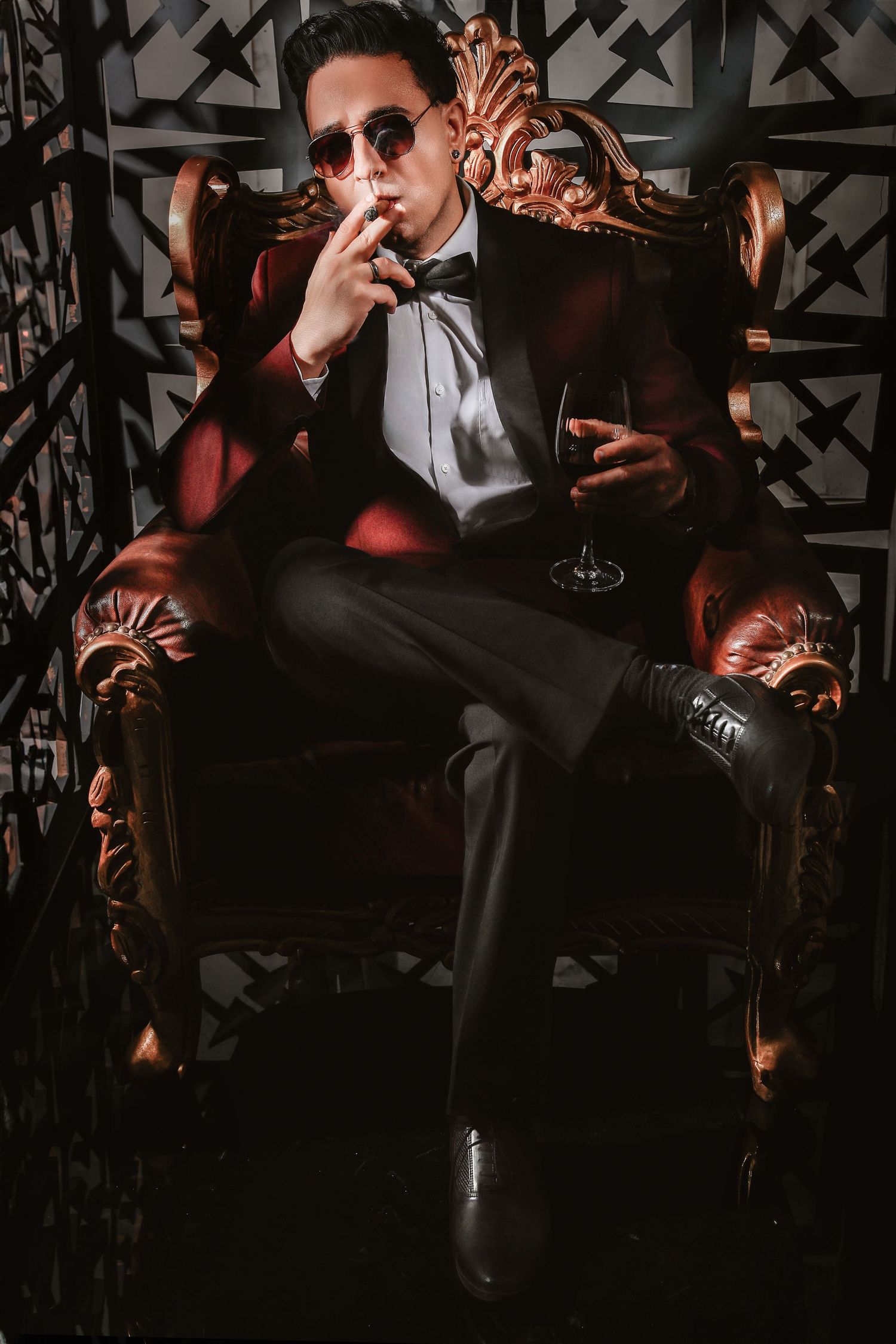
2. Curiosity Is One of the Strongest Triggers
One thing I’ve noticed in successful brand photography and content shoots is that the best-performing visuals rarely explain everything immediately.
They hint.
They tease.
They create a small gap between what the audience sees and what they want to understand.
That curiosity makes people pause.
In product photography and visual storytelling, I sometimes intentionally:
- hide part of the product,
- shoot through foreground elements,
- capture motion halfway,
- or frame scenes that feel incomplete.
Why?
Because the human brain naturally wants closure.
And curiosity increases watch time, engagement, and retention far more than over-explaining ever will.
3. Emotion Always Beats Information
A technically perfect image with zero emotion is still forgettable.
That’s something I learned very early while working on commercial product photography and content creation.
Most brands focus heavily on specifications, details, and features.
But people don’t stop scrolling because a product has “premium stitching” or “high-quality fabric.”
They stop because the visual makes them feel something.
Desire.
Luxury.
Confidence.
Comfort.
Curiosity.
Energy.
Aspiration.
Emotion creates attention.
Information only supports it.
That’s why lighting, styling, movement, expression, and atmosphere matter so much in professional photography and studio production.

4. Simplicity Performs Better Than Over-Creativity
This is probably one of the most underrated truths in product photography.
If the audience has to “figure out” the image, the image has already failed.
Especially in e-commerce photography and social media marketing, clarity matters more than complexity.
I’ve seen brands overload visuals with:
- props,
- text,
- effects,
- colors,
- transitions,
- and unnecessary concepts.
The result?
Visual confusion.
Strong content usually has:
- one clear subject,
- one strong emotion,
- and one obvious point of focus.
That simplicity is what makes the visual feel premium instead of chaotic.
Final Thought
If my content is not stopping people mid-scroll…
It’s invisible.
And invisible content doesn’t:
• Build brands
• Get engagement
• Drive sales
It just… exists.
And in today’s world of content marketing strategy in India, visual storytelling, and high-level production, existing is not enough.
I either create impact… or I get ignored.