Let’s be honest.
In 2026, brands are confused.
One side says:
“Use AI product photography. It’s fast, cheap, and looks futuristic.”
The other side says:
“If your product images look fake, customers will leave faster than free pizza disappears in an office.”
So who wins?
AI or professional product photography?
The answer is simple:
AI creates visuals.
Professional product photography creates trust.
And trust still sells more than fancy effects.
Why AI Product Photography Became So Popular
AI product photography exploded because e-commerce brands need content constantly.
Need 50 product images in one day?
AI says: “Done.”
Need luxury perfume floating in space with golden smoke and dramatic lighting?
Also done.
That’s why AI became popular in e-commerce photography, Shopify product photography, and Amazon product photography.
It’s fast.
Cheap.
And visually impressive.
But here’s the problem. Most AI-generated visuals look amazing until customers zoom in.
Then suddenly:
- Labels become weird
- Textures melt
- Shadows make no sense
- Reflections look fake
- Hands randomly have six fingers
Basically, AI is that overconfident intern who says the following:
“Trust me, sir, ho jayega.”
Why Professional Product Photography Still Wins
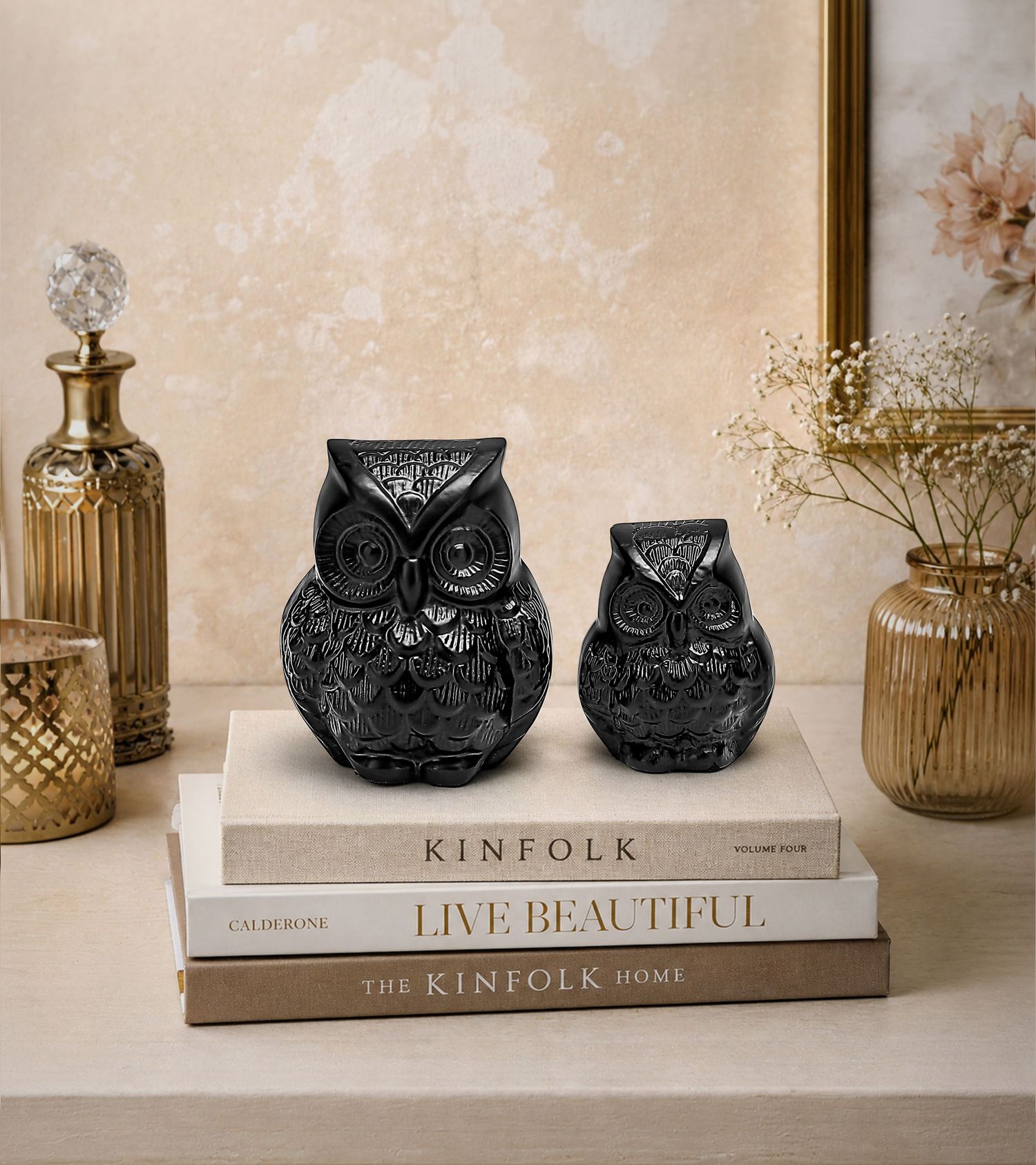
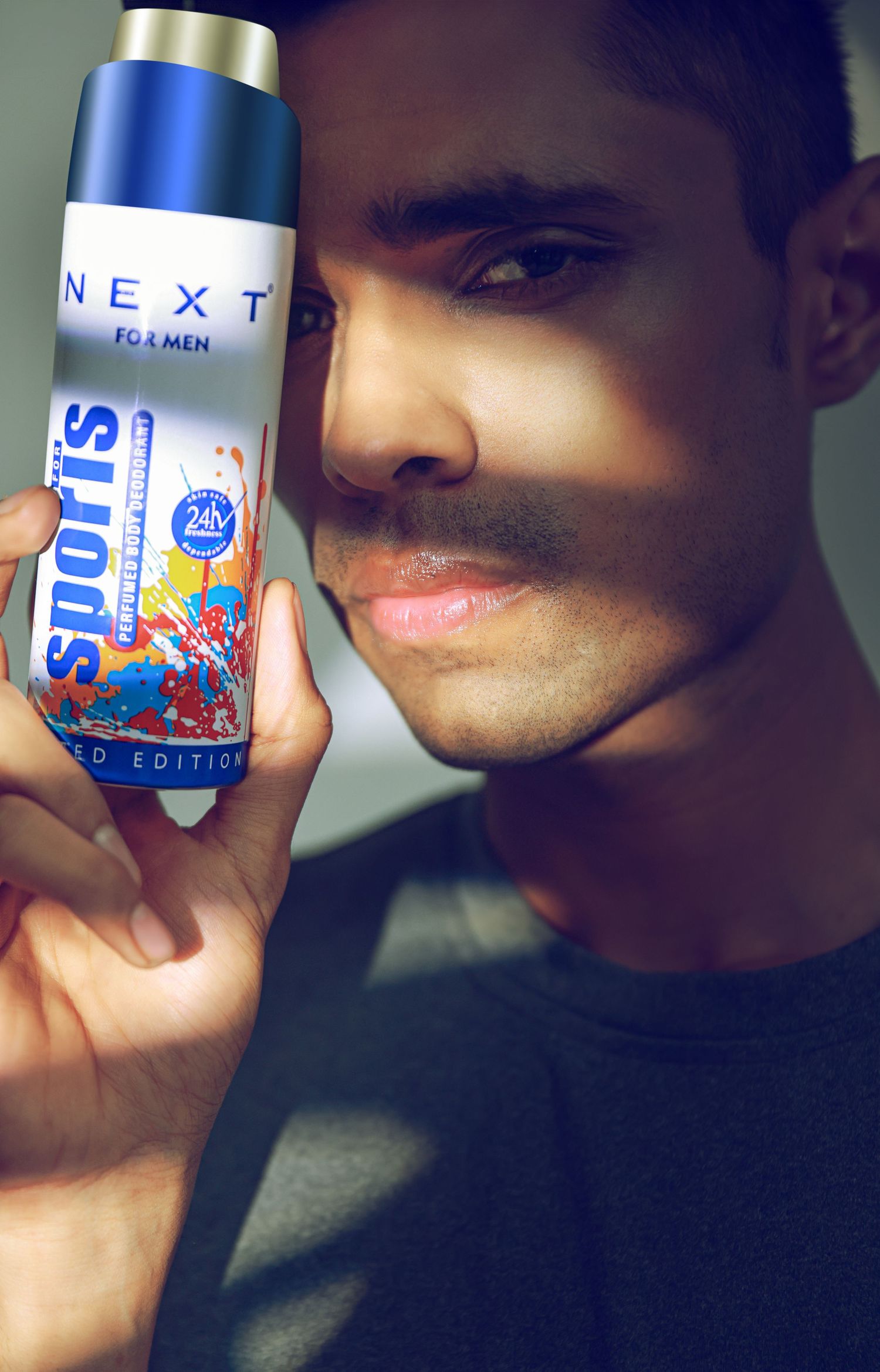
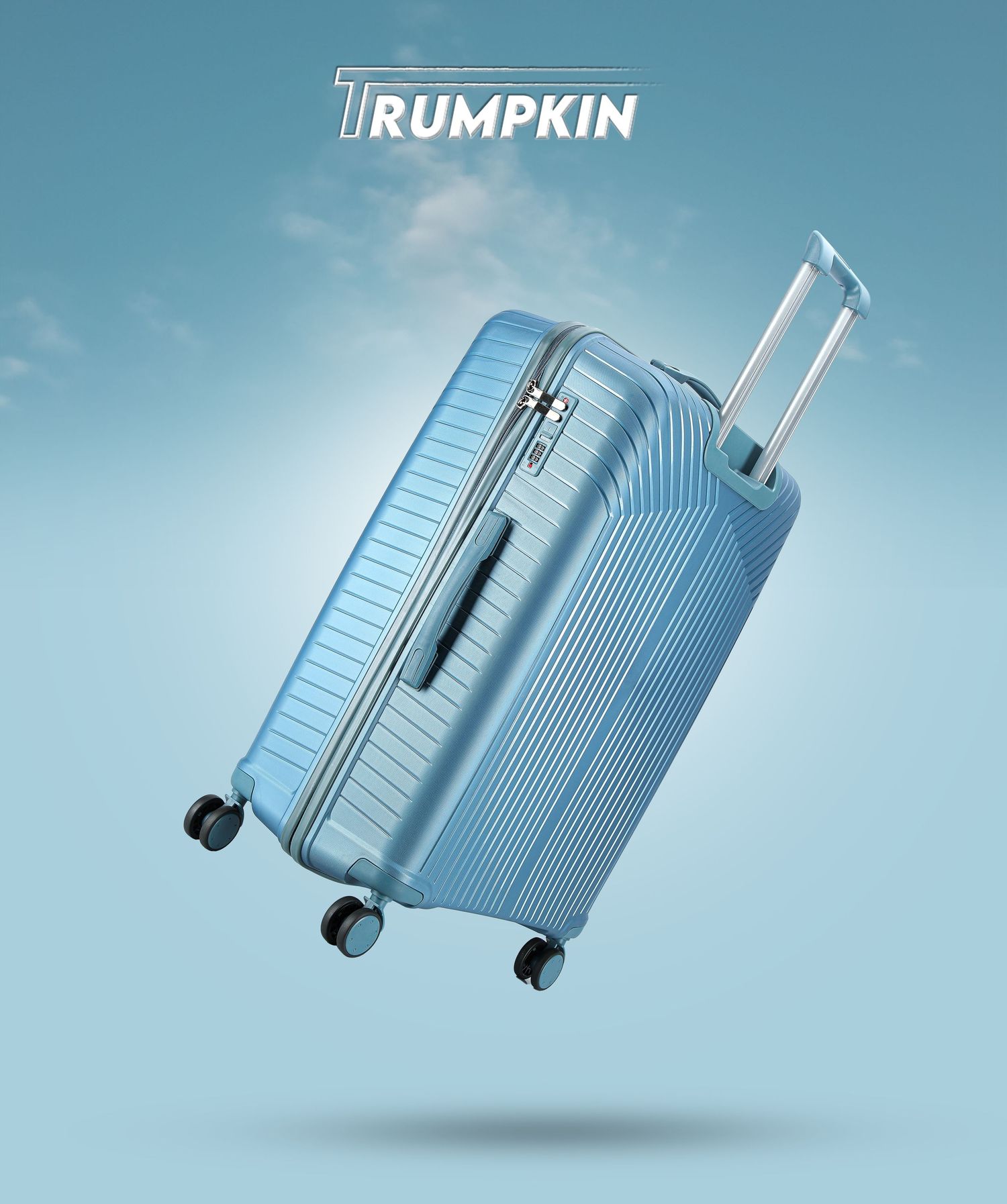
Professional product photography is not just clicking pictures.
A professional product photographer understands:
- Product photography lighting
- Brand identity
- Customer psychology
- Texture and material accuracy
- Visual storytelling
That’s why studio product photography still dominates premium e-commerce brands. Because customers don’t only buy products anymore. They buy confidence.
And confidence comes from high-quality product images that feel real.
Ecommerce Photography Needs Realism
In e-commerce photography, customers cannot touch the product physically. So your visuals become the entire shopping experience. That’s why professional e-commerce product photography matters so much.
Especially for:
- Fashion
- Jewelry
- Beauty
- Food
- Luxury accessories
Nobody wants to order a beige handbag online and receive something looking radioactive orange in real life. Professional product photography prevents that disaster.
Product Photography Lighting Changes Everything
Product photography lighting is where AI still struggles badly.
Lighting controls:
Mood
Luxury feel
Product texture
Sharpness
Material quality
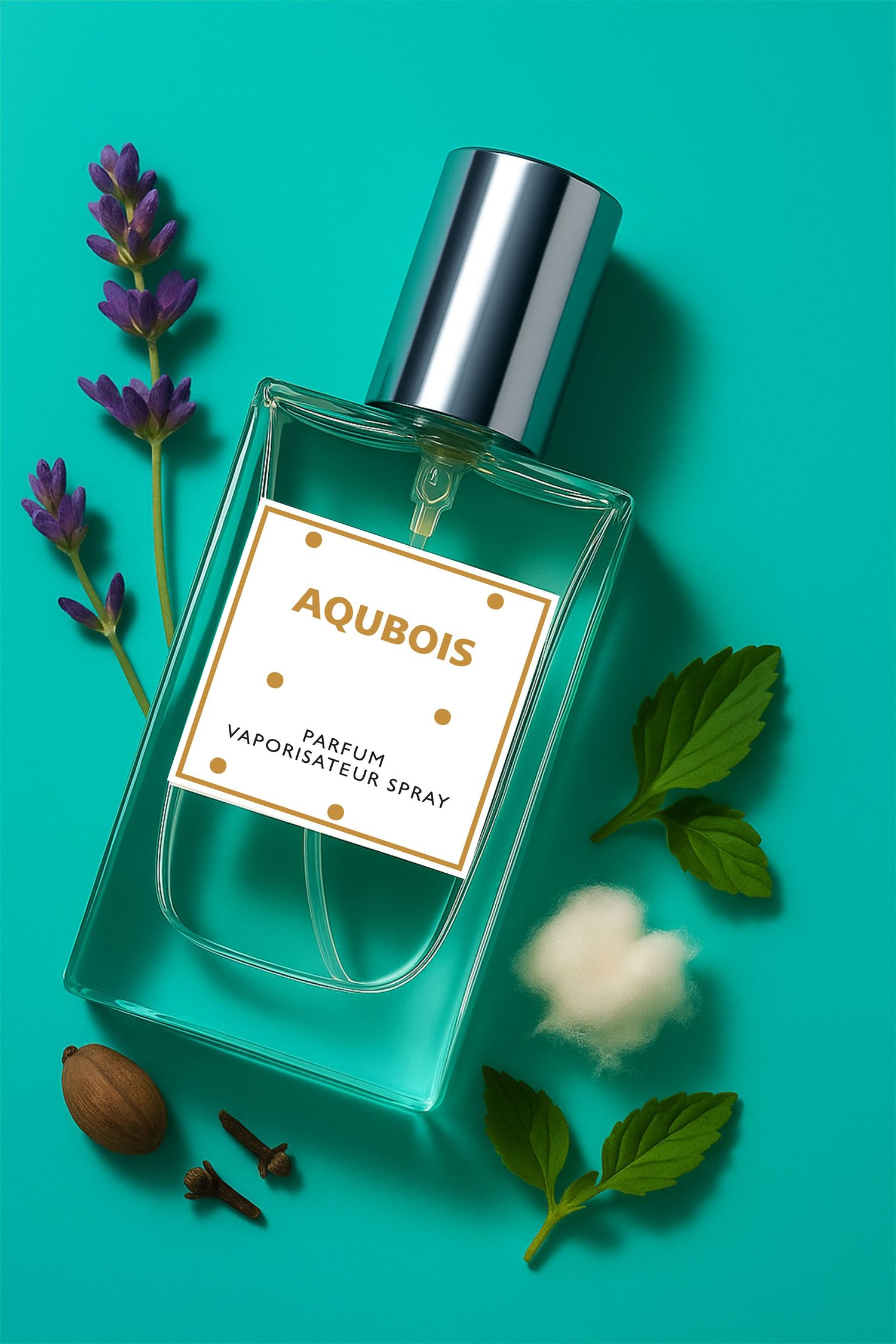
A real product photography setup understands how light behaves on glass, fabric, leather, and metal. AI sometimes treats lighting like magic. One shadow goes left. Another goes right. Meanwhile, the product glows like it swallowed the sun. That’s why clean background product photography from a real commercial photography studio still looks more trustworthy.
The Smartest Brands Use Both
The future is not AI vs photography anymore. The smartest brands combine both.
Use AI for:
Moodboards
Quick mockups
Concept generation
Ad testing
Use professional product photography for:
Final campaigns
Catalogue photography
Advertising photography
Premium brand visuals
This balance improves product image optimization while still maintaining authenticity.
Final Verdict
If you want quick experiments and cheap content, AI product photography works.
But if you want:
Better conversions
Premium branding
Realistic visuals
High-quality product images
Long-term customer trust
Then professional product photography still wins. Every single time. Because customers don’t buy products anymore. They buy visuals that feel real.
And a skilled professional product photographer with strong lighting, creativity, and commercial understanding?
Still undefeated.
At least until AI finally learns humans are supposed to have only five fingers.