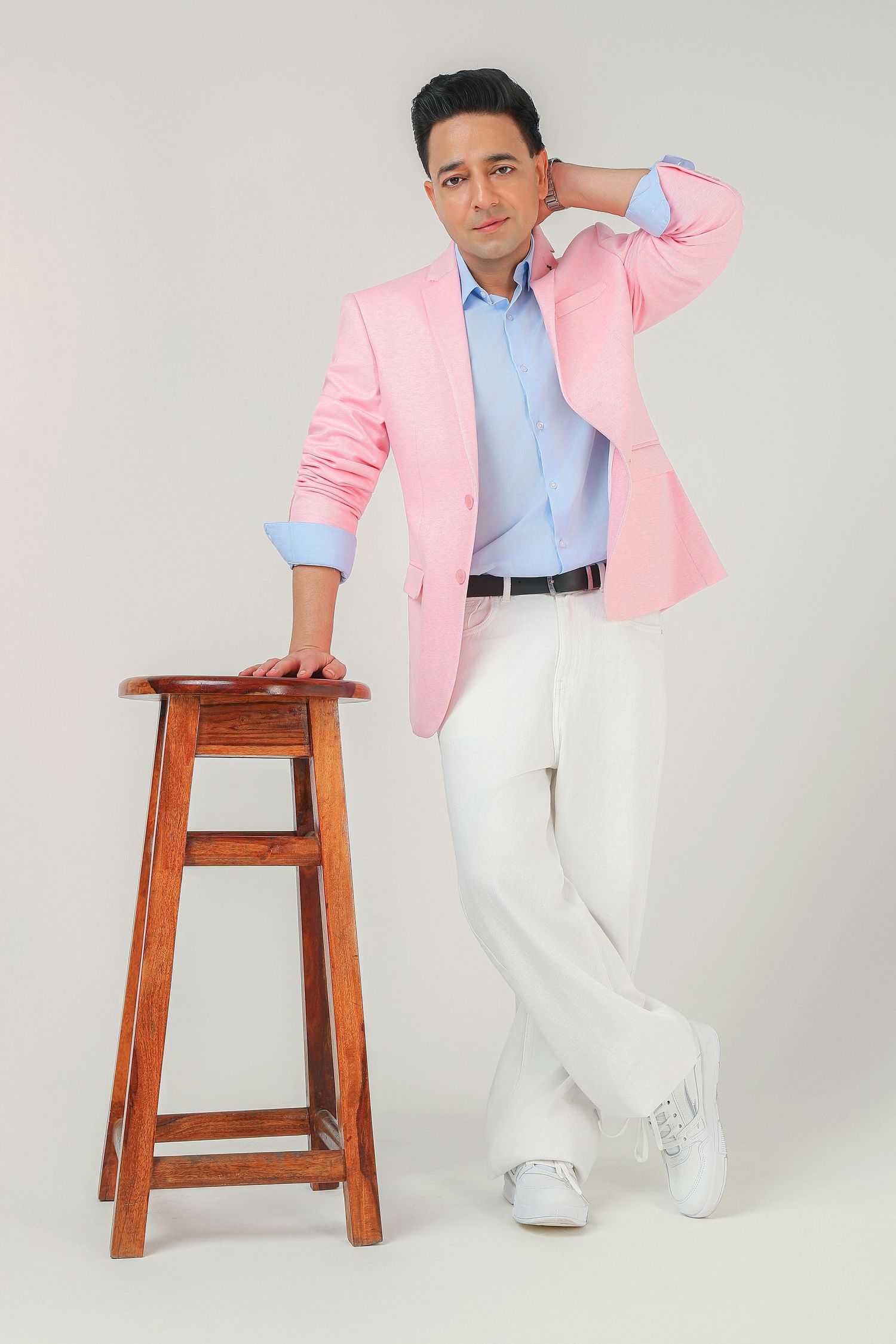
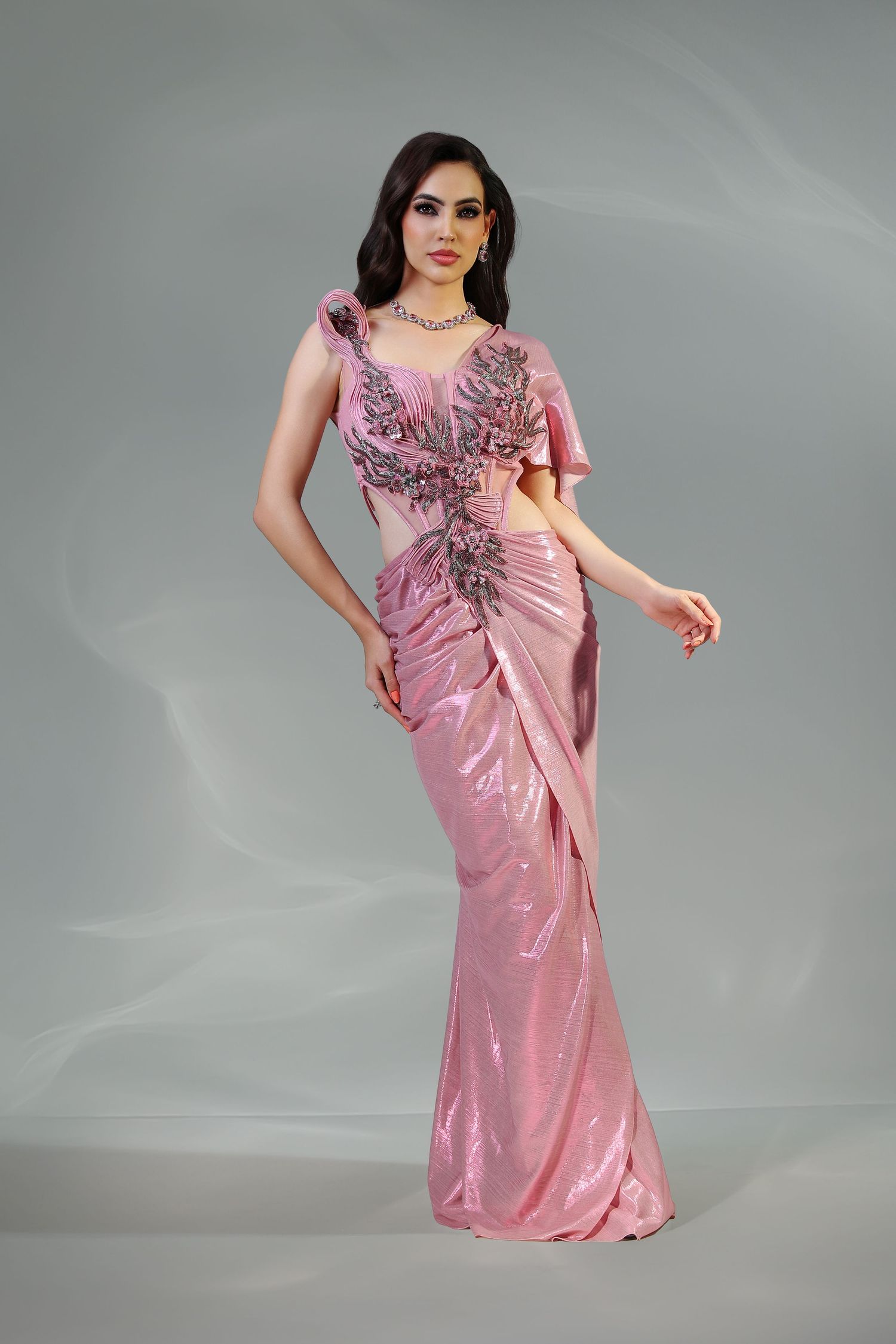
Let’s get one thing straight — a professional content shoot doesn’t happen because someone casually said, “let’s shoot tomorrow.”
If that’s the plan, you’re not preparing a content shoot… you’re preparing confusion with good outfits.
I’ve seen it happen. I’ve worked in it. And I’ve had to fix it.
Every campaign that actually makes you stop scrolling — the kind that gets attention, engagement, and sometimes even conversions — is built with intent. There’s always a process behind it.
When I approach a professional photoshoot, especially in a competitive space like photography in Delhi, I don’t just shoot content. I plan, structure, and execute it with purpose.
Here’s exactly how I take a random idea and turn it into a high-performing professional content shoot.
1. The Idea Phase: Getting Clear on the Objective
Every content shoot starts with an idea — but most “ideas” aren’t clear enough to work with. Common inputs:
- “We want something unique”
- “Make it look premium”
- “It should go viral”
That’s not direction. That’s uncertainty.
So the first step in any professional content shoot planning process is clarity:
- What is the goal of this shoot?
- Is this for social media content, brand identity, or product sales?
- Who is the target audience?
A product photography shoot, a fashion photography campaign, and a portfolio shoot all serve different purposes. Without defining that early, the shoot loses direction before it even begins. In a fast-moving market like New Delhi, your content has seconds to make an impact. A weak idea doesn’t survive that.
2. Moodboarding: Defining the Visual Direction
Once the idea is clear, I move into moodboarding. This is where concepts turn into visuals — references, color palettes, lighting styles, and composition ideas. Moodboarding helps define:
- The aesthetic direction of the shoot
- Lighting style for studio photography
- Styling and props for product photography
- Overall composition for professional photography
Saying “we want a luxury look” is vague. Showing references that define that look makes execution easier. This step ensures everyone involved in the shoot is aligned before production begins.
3. Pre-Production: Where the Shoot Is Actually Built
Pre-production is the backbone of any professional photoshoot. If this phase is rushed or skipped, the shoot will feel unorganized — no matter how good the equipment or team is. Here’s what I finalize:
- Location (studio or outdoor photography setup)
- Model selection (for fashion photography)
- Styling (outfits, accessories, makeup)
- Equipment setup for professional photography
- Shot list for structured execution
And most importantly — timelines. Because figuring things out during the shoot wastes time and affects output quality.
4. Location Scouting: Choosing with Purpose
The location of a shoot plays a huge role in how the final content looks. When planning a professional content shoot in Delhi, I evaluate:
- Studio vs outdoor photography
- Natural light vs artificial lighting
- Minimal vs detailed backgrounds
Delhi offers a wide range of locations — from premium studios to raw urban environments. But the choice is never random. It always depends on what fits the brand story.
5. Shoot Day: Execution Over Experimentation
Shoot day is about execution. This is where all planning comes together — not where decisions start. A typical professional content shoot includes:
- Set design and preparation
- Lighting adjustments
- Model direction
- Capturing multiple variations for content
There’s always a moment where someone says, “let’s try one more.”
And that’s fine — as long as the core plan is already achieved.
A well-coordinated team ensures:
- Smooth workflow
- Efficient time use
- Clear communication
Without structure, even a professional photoshoot can turn unproductive.
6. Lighting: The Foundation of Professional Photography
Lighting is one of the most important elements in any shoot. Even with the right model, styling, and location — poor lighting can reduce the overall quality of the content. Depending on the requirement, I work with:
- Soft lighting for subtle and clean visuals
- Hard lighting for contrast and sharp highlights
- Controlled shadows for depth
- Balanced lighting for commercial photography
Lighting defines how the final image feels — and how professional it looks.
7. Direction: Bringing the Visuals Together
Direction is what turns a planned shoot into a strong visual outcome. Whether it’s:
- Expressions in fashion photography
- Angles in product photography
- Movement in creative shoots
Every frame needs intention.
During the shoot, I focus on:
- Keeping the brand message clear
- Ensuring natural-looking visuals
- Maintaining consistency across frames
Without direction, the shoot may look random — even if everything else is right.
8. Post-Production: Refinement, Not Correction
After the shoot, post-production begins. This includes:
- Color grading for consistency
- Retouching where required
- Enhancing details
The goal is not to fix mistakes, but to refine what’s already captured. Strong professional photography always reflects consistency in editing.
9. Delivery & Strategy: Making Content Perform
Creating content is only half the job. The real value comes from how it’s used. After every professional content shoot:
- Files are optimized for social media platforms
- Content is structured for different formats
- Visuals are aligned with marketing goals
Because:
- Social media photography should engage
- Product photography should convert
- Brand photography should build identity
This is where content creation connects with business results.
10. Why Planning a Professional Content Shoot Matters
Anyone can take a picture. But creating impactful visual content requires planning. A structured content shoot leads to:
- Consistent brand visuals
- Better engagement
- Stronger positioning
- Improved conversion potential
In a competitive space like photography in Delhi, this level of planning is not optional — it’s necessary.
Final Thoughts
A professional content shoot is never just about clicking pictures.
It’s a process that combines:
- Creative thinking
- Technical execution
- Strategic planning
Every detail — from lighting in studio photography to composition in commercial shoots — affects the final result. So when someone says, “let’s just shoot something quickly,”
I don’t rush. I plan. Because strong content doesn’t happen by chance. It’s built with intent — from idea to execution.